Soil Guides

Repotting a houseplant into fresh potting mix

Repotting Houseplants in Spring: When, How and Which Soil

In short: repot houseplants in early spring, roughly February to April, when the days get longer and new growth starts. Move up one pot size (2 to 5 cm wider), always use a pot with a drainage hole and fresh...

Read moreabout Repotting Houseplants in Spring: When, How and Which Soil

Best Soil for Monstera and Other Aroids: How to Choose

In short: the best soil for Monstera, Philodendron, Pothos and most other aroids is a chunky, peat-free mix in which coarse material (bark, coco chips, perlite, lava or pumice) makes up a large share and finer, moisture-holding material (coco fibre,...

Read moreabout Best Soil for Monstera and Other Aroids: How to Choose

Orchid Potting Mix or Orchid Bark: Which Is the Better Choice? - Norrsoil

Orchid Potting Mix or Orchid Bark: Which Is the Better Choice?

Orchid potting mix or orchid bark? Learn the key differences, benefits, and how to choose the right option for healthier orchid roots with Norrsoil.

Read moreabout Orchid Potting Mix or Orchid Bark: Which Is the Better Choice?
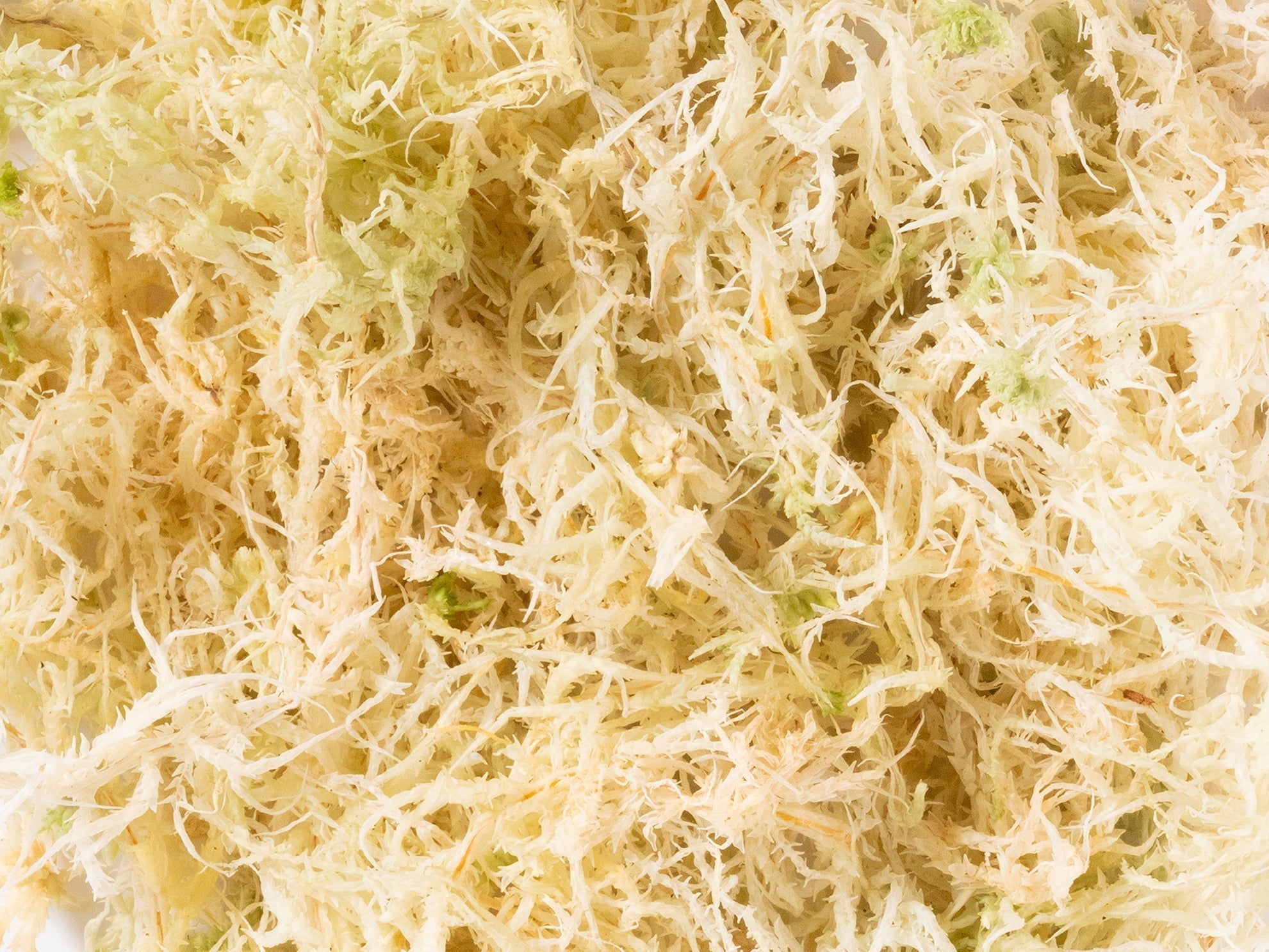
How to Use Sphagnum Moss for Orchids Correctly? - Norrsoil

How to Use Sphagnum Moss for Orchids Correctly?

How to Use Sphagnum Moss for Orchids Correctly? Preparing and Maintaining Sphagnum Moss in Daily Care. 

Read moreabout How to Use Sphagnum Moss for Orchids Correctly?

Cactus and Succulent Soil Guide: How to Mix It, Repot and Water

In short: cacti and succulents store water in their stems and leaves, so their roots must dry out quickly between waterings. They need a gritty mix with a large share of mineral material such as lava, pumice and sand. In...

Read moreabout Cactus and Succulent Soil Guide: How to Mix It, Repot and Water

Orchid Potting Mix Guide: Bark, Moss and How to Repot a Phalaenopsis

In short: most houseplant orchids are epiphytes: in nature they grow on trees with their roots in the open air. They need a coarse, bark-based mix that dries within about a week, never ordinary potting soil. Repot every one to...

Read moreabout Orchid Potting Mix Guide: Bark, Moss and How to Repot a Phalaenopsis

Sphagnum Moss Guide: How to Use It for Orchids, Cuttings, Moss Poles and Terrariums

In short: sphagnum moss holds many times its own weight in water while staying airy, which makes it ideal wherever roots need constant, gentle moisture: orchids, cuttings, moss poles, terrariums and carnivorous plants. Use it damp, not dripping, pack it...

Read moreabout Sphagnum Moss Guide: How to Use It for Orchids, Cuttings, Moss Poles and Terrariums

Aroid Soil Guide: The Right Potting Mix for Monstera, Philodendron and Pothos

In short: aroids such as Monstera, Philodendron, Pothos and Aglaonema grow best in a chunky, airy potting mix that drains fast but still holds some moisture. Standard potting soil is too fine for them: it compacts, stays wet and leaves...

Read moreabout Aroid Soil Guide: The Right Potting Mix for Monstera, Philodendron and Pothos

Sphagnum Moss or Peat Moss: What Is the Difference? - Norrsoil

Sphagnum Moss or Peat Moss: What Is the Difference?

In short: sphagnum moss is the long-fibred moss plant itself, dried for use with plants. Peat (often sold as "peat moss") is the dark, decomposed material that builds up under that moss in bogs over thousands of years and is...

Read moreabout Sphagnum Moss or Peat Moss: What Is the Difference?