

How to Use Sphagnum Moss for Orchids Correctly
Orchids are among the most popular indoor plants, but they are also known for being sensitive when it comes to the right substrate, proper moisture, and long-term root health. That is exactly why so many plant lovers ask how to use Sphagnum Moss for orchids correctly. When used the right way, it can help create a balanced root environment and make everyday orchid care much easier.
Especially for delicate species, propagation, or weakened plants, Sphagnum Moss can play an important role. It stores moisture, supports an airy environment, and can be used in several practical ways. The key point, however, is that orchids should not remain constantly wet. If you understand how to apply it properly, you can take advantage of its benefits in a more controlled way. That is why Norrsoil recommends looking not only at the plant itself, but also at the quality of the material and how it fits the specific care routine.
Why Sphagnum Moss Is So Popular for Orchids
Many orchid growers look for ways to control moisture more effectively without suffocating the roots. This is exactly where Sphagnum Moss has become a popular solution. It offers a natural structure that can retain water while still supporting a more breathable root environment than many heavy growing media. This is especially important for orchids, because their roots are highly sensitive to compacted substrates and excess moisture.
In indoor environments, where temperature and humidity levels can shift throughout the day, a high-quality material can help reduce common care mistakes. Anyone growing orchids in a living room, plant cabinet, or greenhouse-style setup can benefit from a medium that is flexible and easier to manage. Norrsoil sees this as a modern and thoughtful solution for plant lovers who value moisture retention, cleanliness, and more controlled plant care.
What Makes Sphagnum Moss Interesting for Orchid Care
The main strength of Sphagnum Moss is its ability to absorb moisture and release it gradually over time. This can be especially useful for orchids, because their roots should not be allowed to dry out completely, but they should also not remain trapped in a dense, wet environment. This balance is often one of the most important factors in keeping orchids healthy.
Another reason it stands out is its loose and workable structure. A good orchid medium should not only hold moisture but also allow air to reach the roots. This is why Sphagnum Moss is often used either on its own or as part of a broader plant care setup. For many plant lovers, it becomes a practical choice when they want to improve orchid care in a more intentional way.
Helps Retain Moisture More Evenly
Orchids can react badly to inconsistent watering. If the medium dries too quickly, the roots may weaken. If it stays too wet, the risk of rot increases. Sphagnum Moss can help reduce these extremes by holding moisture more evenly. This creates a more stable environment and often means less stress for the plant over time.
Supports Airflow Around the Roots
In addition to moisture, airflow is essential. Orchid roots need oxygen to remain active and healthy. A high-quality, airy moss helps support this better than dense or compact materials. That makes it especially useful for growers who want to avoid the problems caused by heavy growing media or constantly wet roots.
Which Orchids Benefit Most From Sphagnum Moss
Not every orchid should be treated in exactly the same way. Still, there are many species and care situations where Sphagnum Moss can be especially useful. This includes younger orchids, freshly rooted plants, or orchids recovering from stress. In those situations, a material that supports balanced moisture can be particularly helpful.
It can also be useful for orchids kept in dry indoor conditions, especially during colder months when heating reduces humidity. The key is always to observe the plant itself. Norrsoil recommends adjusting the use of moss to the plant’s condition rather than applying the same routine to every orchid automatically.
Useful for Young or Weak Orchids
Young orchids and weakened plants often benefit from a medium that provides more reliable moisture around the roots. When the root system is not yet strong, Sphagnum Moss can help create a gentler growing environment. This makes it easier for the plant to stabilize and continue developing in a healthier way.
Helpful for Humidity-Loving Orchid Types
Some orchids naturally prefer a more humid environment and more consistent moisture around the roots. In those cases, moss can be part of a more suitable care strategy. It is still important to monitor the plant regularly and avoid leaving the medium constantly soaked, but the right use of moss can make care easier and more effective.
How to Use Sphagnum Moss Correctly for Orchids
If you want to use Sphagnum Moss for orchids correctly, it is important to understand that there are several effective ways to use it. It can be applied on its own, combined with other substrates, or used for specific care stages. With orchids, it is not only about which material you choose, but also how loosely it is placed, how moist it remains, and how much of it is used.
Many problems begin when growers use too much moss or pack it too tightly around the roots. When that happens, the airy advantage is lost. A good application should always support moisture without creating unnecessary compaction. Norrsoil recommends using the material thoughtfully and according to the needs of the plant, rather than following a one-size-fits-all approach.
Using Sphagnum Moss Alone or With Orchid Substrate
Whether you use moss by itself or together with another orchid substrate depends largely on the plant’s condition and your care goal. In some cases, using moss alone can make sense, especially during recovery or propagation stages. In many everyday situations, however, combining it with a chunkier orchid mix can be a more practical solution.
This kind of combination can improve moisture retention without sacrificing structure and airflow. For growers looking for a more balanced everyday setup, this is often a useful middle ground. Norrsoil especially recommends thinking about the environment in which the orchid is grown, including light, temperature, and evaporation levels.
Using It as the Main Medium
As the main growing medium, Sphagnum Moss can be useful when an orchid is especially delicate or needs extra moisture support. In those situations, care and precision matter. The moss should always be placed loosely so the roots still have access to air and are not trapped in a wet, dense mass.
Using It as Part of an Orchid Mix
For many plant owners, combining moss with a more open orchid mix is the most practical long-term option. This approach can create a better balance between water retention and airflow. It is especially useful for indoor plants kept in dry homes, where the growing medium may otherwise dry too quickly.
Preparing and Maintaining Sphagnum Moss in Daily Care
Before using it, the moss should be prepared thoughtfully. This is not only about moisture but also about how easy it will be to manage afterward. A high-quality product is usually easier to handle and more consistent to apply. When the preparation is careful, the orchid has a better chance of adapting well and staying stable over time.
In daily care, it is important to keep checking the material and the roots. Orchids often show clear signs when the environment is right or wrong. If the roots become soft, if the moss smells unpleasant, or if it remains wet all the time, adjustments are needed. Norrsoil recommends treating moss as a flexible part of plant care rather than a fixed formula.
Do Not Use It Too Wet or Too Tightly
One of the most common mistakes is soaking the moss too heavily and pressing it tightly around the roots. This increases the risk of trapped moisture and poor airflow. A better approach is to keep the moss lightly moist and loosely arranged. That way, its structure stays functional and the orchid benefits from a healthier balance.
Check Root Condition and Moss Structure Regularly
Good plant care always depends on observation. If you regularly check root color, firmness, and activity, you can spot problems early. The condition of the moss also matters. If it stays fresh, airy, and clean, it is usually a sign that the setup is working. If it becomes compact or stale, your routine likely needs adjustment.

Common Uses: Orchids, Cuttings, Moss Poles, and More
Although the focus here is orchids, Sphagnum Moss is far more versatile than that. This is one of the reasons it has become so popular among plant lovers. Beyond orchids, it is also widely used for cuttings, moss poles, terrariums, and other humidity-loving plants. If you care for multiple plant types, a high-quality moss can often serve several practical purposes.
From an SEO perspective, this broader relevance is also valuable, because people do not search only for orchids. Many users are interested in general use cases and want to understand how one product can support different plant care needs. Norrsoil can benefit from this by positioning the product not just for orchids, but as a versatile solution for modern indoor growing.
Sphagnum Moss for Cuttings and Young Plants
Propagation is one of the most common uses for Sphagnum Moss. Cuttings need a material that retains enough moisture while still allowing delicate new roots to breathe. This is where moss can be especially helpful, because it creates a gentle and controlled environment. For sensitive young plants, that can make a meaningful difference.
Growers who propagate often also appreciate how clean and easy high-quality moss is to work with. It can be placed exactly where extra moisture support is needed, without turning the setup into a heavy or messy growing environment. This makes it highly useful for plant lovers who want to improve their propagation success.
Supports Rooting in a More Controlled Way
Young roots react very quickly to unsuitable conditions. If the environment is too dry, growth slows down. If it is too wet, roots may weaken before they develop properly. A suitable moss can create a more even environment and support healthier rooting, especially for delicate plant material.
Suitable for Sensitive Plant Parts
Not only cuttings but also freshly divided or newly repotted plants may benefit from a gentler root environment. When airflow and moisture stay in balance, the plant is under less stress. That makes moss a practical option for growers who regularly work with fragile indoor plants.
Using Sphagnum Moss for Moss Poles and Terrariums
Moss poles are especially popular with climbing plants because they provide both structure and moisture support. Sphagnum Moss is one of the best materials for this, since it holds moisture while creating a more natural surface for aerial roots. It can help encourage climbing plants to attach and grow in a healthier, more structured way.
It is also highly useful in terrariums, where stable humidity and moisture balance are often essential. If you care for more than just orchids, this versatility becomes a major advantage. Norrsoil can use this strength to position the product for broader indoor plant use, not only for one specific plant category.
Makes Moss Poles More Functional
A good moss pole depends heavily on the quality of the material inside it. If the moss stays airy and holds the right amount of moisture, it can create better conditions for climbing plants. This is especially important for tropical plants that benefit from humid support around their aerial roots.
Helps Maintain Moisture in Terrariums
In terrariums, moisture needs to be controlled and stable over time. Sphagnum Moss can support this by helping regulate the environment and fitting naturally into different terrarium setups. That makes it especially useful for closed or semi-closed systems where humidity-loving plants thrive best.

What to Look for When Buying Sphagnum Moss
If you want strong results, it is important not to choose just any moss product. Quality, purity, and consistency make a noticeable difference in actual use. This is especially true for orchids and sensitive indoor plants. A high-quality product is easier to apply, cleaner to work with, and more dependable in performance.
This section also matters for SEO because many users are not only searching for instructions but also for buying guidance. Searches related to quality, differences, and price-to-value comparison are common before a purchase decision. Norrsoil can build trust here by clearly explaining what separates a premium product from a more generic alternative.
How to Recognize Quality, Purity, and Product Differences
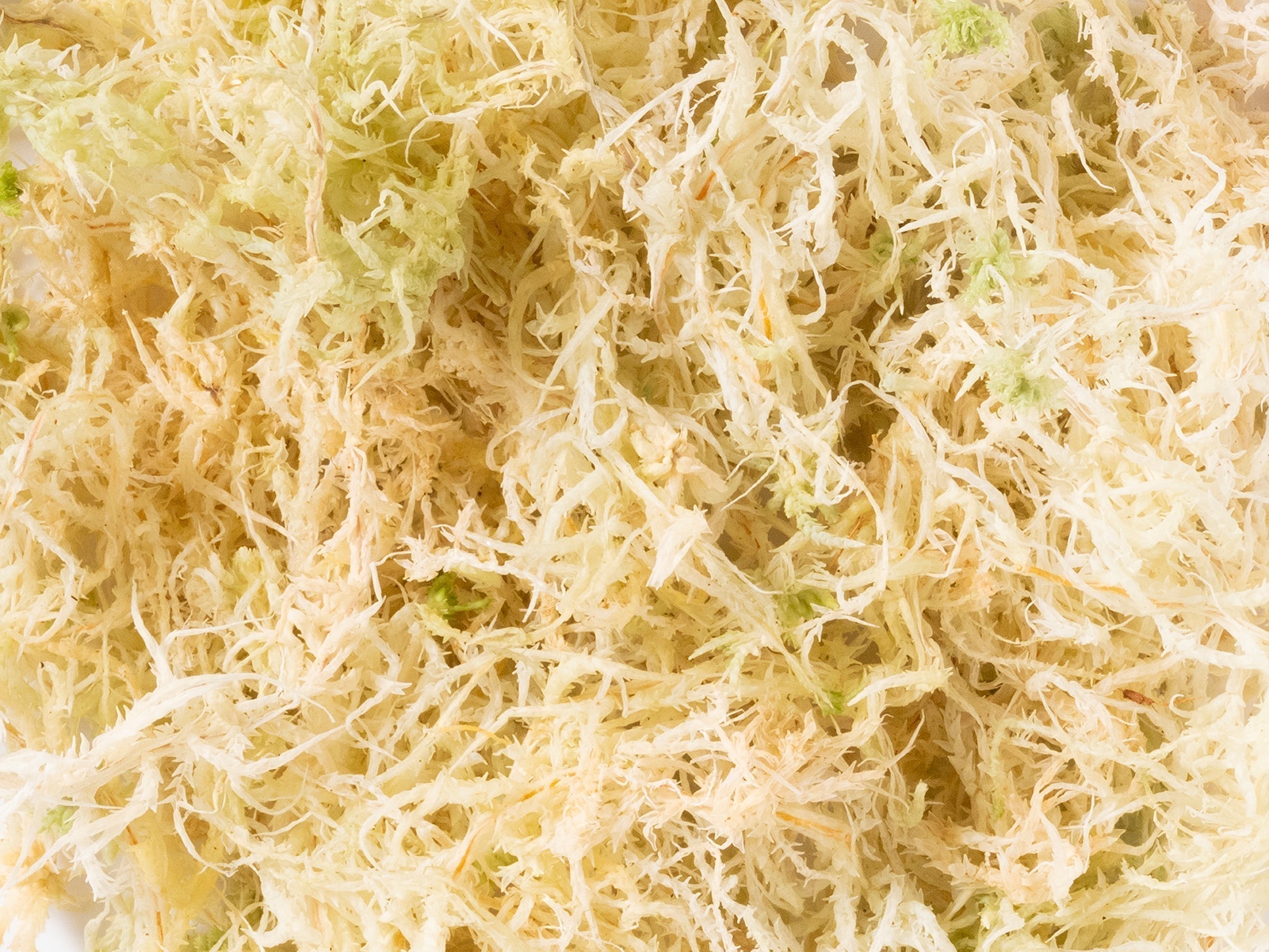
A good Sphagnum Moss product should be as clean, consistent, and debris-free as possible. If it contains too many twigs, leaves, or uneven materials, it becomes harder to use effectively and more difficult to manage in detailed plant care routines. For delicate orchids, a cleaner product is an obvious advantage.
Consistency also matters. Plant owners want to know that the product will behave similarly from one use to the next. That predictability makes watering, potting, and general care easier to manage. Norrsoil positions itself around this idea of reliable, cleaner, and more modern plant care for indoor growers.
Cleaner Material Makes Application Easier
The cleaner the product, the easier and more precise it is to work with. This saves time and helps the grower focus more on the plant rather than sorting through uneven material. For many indoor gardeners, especially those caring for several plants at once, this practical benefit is very important.
Consistency Supports Better Plant Care Results
When the structure is consistent, care decisions become easier. You can better predict how the material will hold moisture, how airy it will remain, and how it will support the plant over time. That kind of reliability makes premium moss more valuable in everyday orchid care.
Price, Value, and Choosing the Right Moss for Orchid Care
Of course, price matters too. But when buying Sphagnum Moss, it is better not to focus only on the cheapest option. What matters more is the overall value the product delivers in daily plant care. If it offers better purity, easier handling, and more dependable results, it may be the smarter long-term choice.
This is especially true for plant lovers caring for orchids, cuttings, terrariums, or moss poles. In many cases, quality saves time, reduces stress, and leads to better growing outcomes. Norrsoil recommends looking at actual performance and suitability rather than comparing products based only on price.
Do Not Focus Only on the Lowest Price
A low price may seem attractive at first, but it does not tell you much about purity or usability. If the material is inconsistent or harder to manage, it can easily create new care problems. In plant care, better quality often leads to healthier results and fewer frustrations over time.
Explore the Right Product at Norrsoil
If you are looking for a high-quality option for orchids and other indoor uses, it is worth taking a closer look at what Norrsoil offers. The focus is not only on the material itself, but also on creating a cleaner, smarter, and more reliable plant care experience. That makes the buying decision easier and more meaningful.
In the end, if you want to use Sphagnum Moss for orchids correctly, the best approach is to focus on quality, the right application, and regular observation. If you are looking for a dependable product for orchids, cuttings, terrariums, or moss poles, explore the relevant category and product page at Norrsoil to find the option that fits your plant care routine best.
Share:
Top 5 Best Plant Food for Houseplants
Sphagnum Moss or Peat Moss: What Is the Difference?